
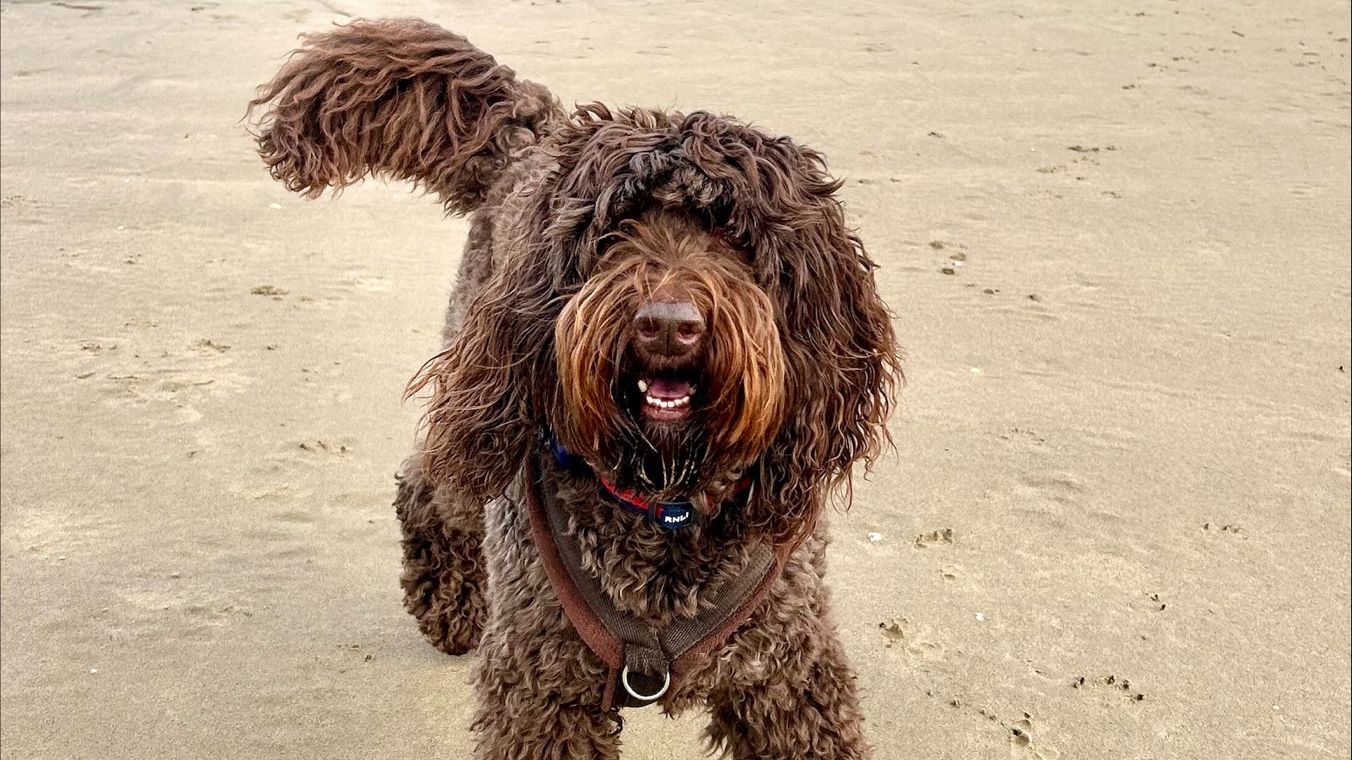
The Doodle Effect: Why Poodle Crosses Have Won So Many Hearts
Feb 24, 2026Labradoodle Guardian Carole explores the popularity of poodle crosses: Goldendoodles, Labradoodles and Other Doodles - looking at why these so called 'designer breeds' have joined so many of our homes.
From Parks to Instagram: The Rise of the Doodle
From local parks to social media feeds, Poodle crosses seem to be everywhere in the UK (and beyond) - and it's easy to see why. With their friendly personalities, teddy-bear looks and reputation as great family dogs, they've quickly become one of the nation's favourite breed-crosses. Whether you live in a busy town, a quiet village or somewhere in between, Doodles appear to fit right in.
But what is it about Doodles that has captured the hearts of so many dog parents? Here, I take a closer look at the traits, lifestyle benefits and practical considerations that make Doodles such a popular choice - and why, despite all their appeal, a Doodle may not be the right dog for everyone.
My Doodle Story: Why It Had to Be This Dog
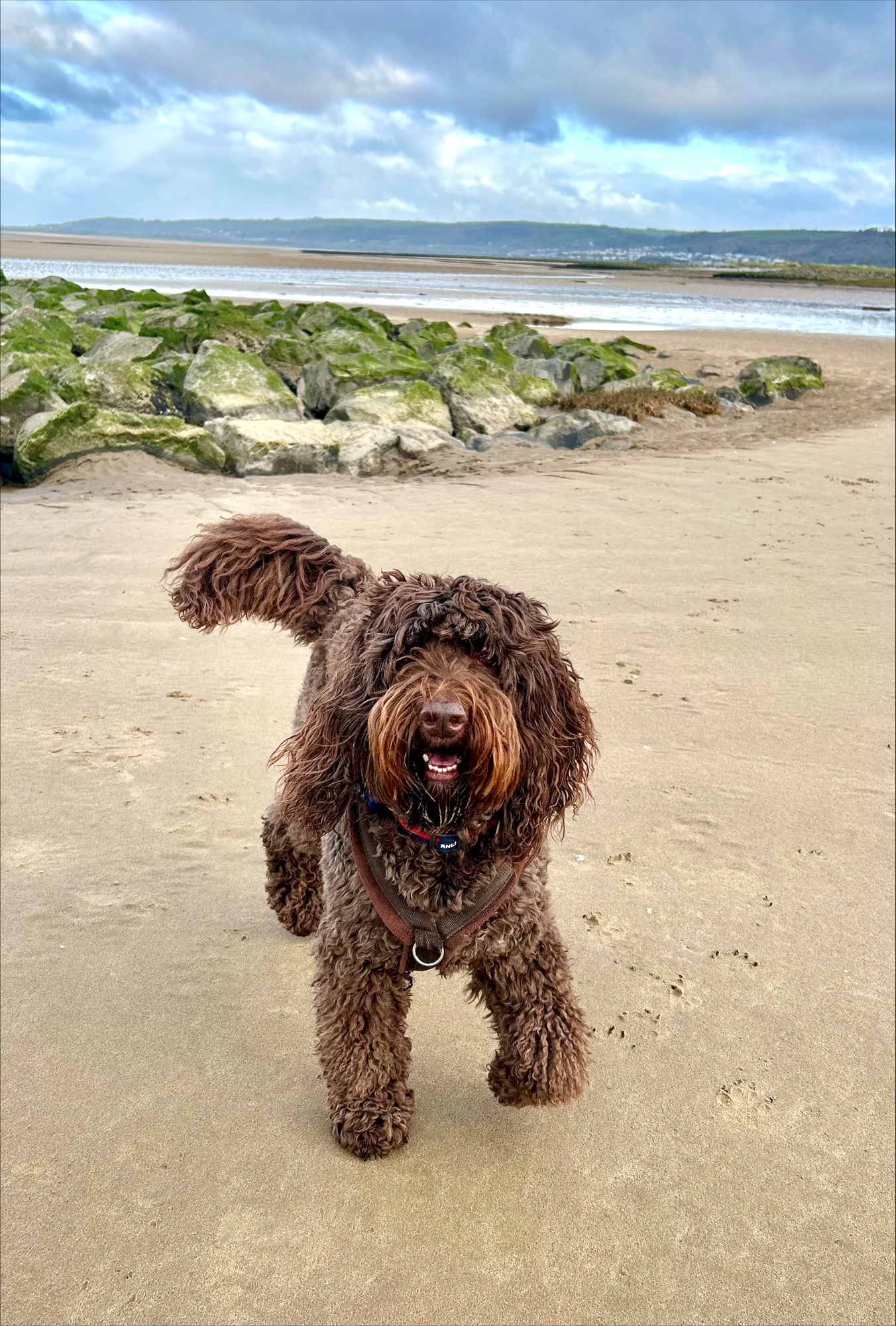 My own Doodle is an Australian Labradoodle. These are bred Doodle-to-Doodle over several generations, but from Goldendoodles to Bernedoodles and every Poodle cross in between, many of the same traits apply.
I asked a number of fellow Labradoodle guardians why they chose a Doodle. For me, it was instant - the first time I met one, I was smitten, and from that moment it was the only type of dog I ever wanted. While everyone agreed there's a definite cute teddy-bear effect, the reasons people gave were varied: therapy work, recommendations from friends, temperament, intelligence, suitability for allergy sufferers and, of course, companionship.
The Gentle Side of Doodles: Companionship and Therapy
There is plenty of evidence that the sweet nature many Doodles possess makes them excellent therapy dogs. Several guardians I spoke to chose their puppy because they had children with ADHD or autism and were seeking a dog for companionship and emotional support. In these cases, the choice proved to be the right one, with the dog becoming a calming presence and an integral part of the family.
Other Doodles have gone on to work as therapy dogs, visiting schools and residential homes or helping children overcome a fear of dogs. That said, it's important to remember that every dog is an individual. Not every Doodle will have the calm, steady temperament required for therapy work. My own Doodle, Baffi, for example, loves everyone - but he's simply too excitable and enthusiastic by nature to make a suitable therapy dog.
Big Brains, Big Personalities
Temperament varies enormously, from fun-loving and energetic to calm and gentle, and there’s always the balance of nature and nurture to consider. Doodles are exceptionally intelligent and thrive on being mentally occupied. Left unstimulated, boredom can quickly lead to mischief - a Doodle will happily try to outsmart you given half the chance!
They are lifelong learners and respond brilliantly to training and enrichment. Baffi loves learning new things. We still play games and teach new tricks regularly and, even now at eight years old, he's always eager to try something new. Following cruciate surgery recently, he's been having physiotherapy, and the therapist commented on how rare it is to have a dog so enthusiastic about doing his exercises. To Baffi, it's just another game that we do at home every day - which feels very typical of the breed.
Too Clever for Their Own Good?
Energy levels and mental stimulation are huge factors to consider when owning a Doodle. They require consistency from the whole family; without it, boredom can lead to destructive behaviour. Some people say Doodles are simply 'too intelligent for their own good' - and there may be some truth in that.
A Doodle might be perfectly content lounging on the sofa one moment, seemingly not a care in the world, and then minutes later be looking for interaction, play or a challenge. That combination of affection, energy and intelligence is a defining feature of the breed.
Playful, Trainable and Hugely People-Focused
The biggest reason people gave for choosing a Doodle was companionship: a dog that loves to play, is easy to train and genuinely enjoys being part of family life. We've all seen the social media videos of talking, fun-loving dogs - and so many of them, from my experience (or perhaps because I follow them!), are Doodles of some description. There's no doubt they are clever, engaging dogs - I can certainly verify that.
Shedding, Coats and Allergies: The Reality
Not all Doodles are non-shedding or suitable for allergy sufferers. Australian Labradoodles like Baffi are generally non-shedding, and wool or fleece-coated Doodles are most likely to fall into this category - though these coats require significant grooming. Hair-coated Doodles are more likely to shed.
If allergies are a concern, it's important to spend time with the breed before committing. Reputable breeders can often put you in touch with local guardians and advise on coat types. Spending time with a puppy is futile, as puppies don't shed; it time should be spent with an adult dog and wait at least 24 hours to see if you react.
Are Doodles Healthy Dogs?
Baffi is nearly nine and until last year, had been illness-free. He then had a benign growth removed and underwent cruciate ligament surgery within the space of a year. When I asked the orthopaedic surgeon whether Doodles were prone to this injury, he explained that both Poodles and Labradors can be susceptible - but it can happen to any dog. Baffi's willing, cheerful nature certainly helped make him an excellent patient, and he still races happily through the vet's door.
Among the guardians I spoke to, most dogs had remained healthy for many years. Some older dogs had developed conditions such as arthritis, diabetes or Cushing’s disease, but these can affect dogs of any breed. While Doodles are often chosen because they may suit allergy sufferers, some guardians reported that their dogs experience allergies or ear infections themselves - they do have long, floppy ears, where moisture can become trapped. That said, it isn't uncommon for a Doodle from a responsible breeder to live well into their teens.
Is a Doodle the Right Fit for Your Home?
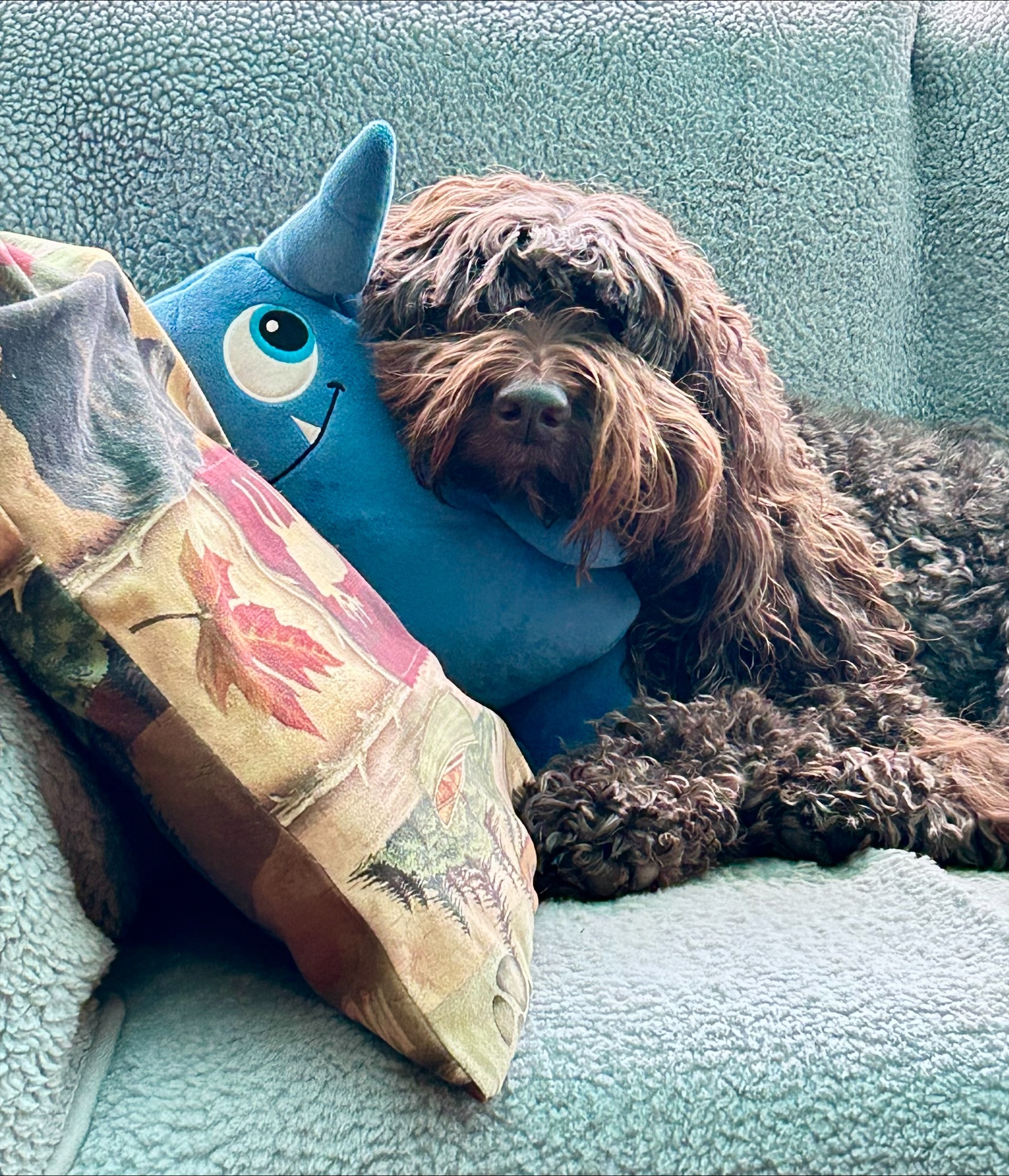 As with any puppy, thorough research is essential before bringing a Doodle into your home. Some guardians liken living with a Doodle to having a toddler: they will follow you everywhere (my husband calls Baffi my shadow) as they thrive on close human companionship. They also need regular combing at home and professional grooming around every six weeks.
I asked our Doodle group whether they would choose another - the majority reply was 'yes' and many already have more than one. As for us, we often wish we'd got a second when Baffi was younger. Now, though, he's far too much of a spoilt solo boy - and besides, Doodles really do love their humans.
Choosing Responsibly: Breeders, Size and Rescue
If you're considering a Doodle, finding a responsible, registered breeder is vital. Popular breeds inevitably attract backyard breeders, so take your time, ask questions - and expect the breeder to ask plenty too. Ideally, you should be able to meet both parents and see evidence of health testing.
Think carefully about size as well. Poodle crosses vary hugely, from miniature to standard (large). Australian Labradoodles tend to be small to medium, while Goldendoodles and other Labradoodles are often larger. Make sure the adult size will suit both your home and lifestyle.
There are also many Poodle crosses in rescue and there are charitable organisations dedicated solely to Doodles. Rescue can be a wonderful option, particularly if you're open to an older dog. Many Doodles enter rescue because guardians underestimate the time and commitment required, or because dogs from irresponsible breeding develop behavioural challenges. Organisations such as Doodle Aid and The Doodle Trust can offer valuable guidance on whether a Doodle is right for you.
Life With a Doodle: Mud, Mayhem and a Very Kind Heart
If you ask a Doodle parent what life with one is really like, you may hear words such as chaotic, muddy or loud. But they'll also tell you this: a Labradoodle greets every day as if it's the best day of his life - with boundless enthusiasm and a truly kind heart.
